downtown prestige, parkade fees, and the twenty-five-minute question
Search “virtual address Calgary” and you’ll get a wall of glass towers. Stephen Avenue. Fifth Avenue SW. Photos of boardrooms with a view of the Bow. Prestige addresses, from $99 a month.
Which is fine, as far as it goes. But almost none of those pages tell you the thing that decides whether the address works: who is standing there when your courier arrives, what they’ll accept, and what it costs you — in dollars and in time — to go get your own mail.
Here’s the version that’s useful to you.
WHAT YOU’RE ACTUALLY TRYING TO SOLVE
Nearly everyone searching for a virtual address in Calgary is solving one of four problems. Worth knowing which one is yours, because it changes what you should buy.
- Your home address is on the internet and you’d like it back. It’s on your incorporation filing, your Google Business Profile, your invoices, and your website footer. You want one address you can swap in everywhere.
- Parcels keep going missing. Porch theft, an apartment lobby with no buzzer, a lockbox too small for anything real. You want a place with a person in it.
- You need to look established. A new company with a residential address on the quote looks new. Fair or not, that costs you deals.
- You’re selling online and inventory is eating your garage. Inbound stock, outbound orders, and no loading dock. This one is a warehouse problem wearing a mailbox costume.
Only the third one has anything to do with being downtown.
a prestige postal code solves a problem you probably don’t have. a staffed counter solves the one you do.
WHAT A DOWNTOWN CALGARY ADDRESS BUYS YOU
Genuinely, some things.
If you’re in law, finance, or you bid on work where the procurement team quietly notes the postal code, a core-Calgary address carries weight. If your clients walk into your office, you need an office they can walk into. If you’re pitching investors who fly in and land at YYC, being fifteen minutes from the airport hotel matters.
If none of that describes your week, look closely at what you’re paying for. Most downtown virtual-address plans are priced around the value of the tower, not the value of the service. And the service is often thinner than it looks: letter-only mail handling, a size cap that rules out anything on a skid, a per-parcel fee, and storage charges that start after five days.
THE PART NOBODY PUTS ON THE PRICING PAGE
You will, at some point, have to go and physically collect something. A cheque you need today. A signed contract. A box that won’t forward economically.
That trip is a real cost, and it’s the cost nobody quotes you.
| Picking up your own mail | Downtown Calgary tower | The Corner, Cochrane |
|---|---|---|
| Parking | Paid parkade or metered street | Free lot, out front |
| Getting from car to counter | Parkade, elevator, lobby, reception | Park, walk in |
| Realistic round trip from NW Calgary | 60 – 90 minutes with parking | 50 – 70 minutes, no parking hunt |
| Loading a heavy box into your vehicle | Through a lobby and down a parkade | Pull up to the door |
| Anything on a pallet | Usually not accepted at all | Yes |
FIVE THINGS TO CHECK BEFORE YOU SIGN
1. is the address staffed during business hours?
Not “is the building staffed” — is your mail point staffed. Some virtual addresses are a bank of boxes in a shared lobby with nobody authorised to sign. If nobody signs, couriers leave a card, registered mail goes back, and legal documents can’t be served on you at all.
2. what’s the size limit, in units?
Ask “will you take a 60-pound box?” and “will you take a pallet?” and get a straight answer. Then ask what happens if it sits there for a week, and what that costs. Vague answers here become invoices later.
3. will they accept personal mail?
Plenty of providers won’t. If you also want your Amazon orders, your licence renewal and your replacement bank card going there, confirm it in writing before you sign anything.
4. can it be your registered office?
An Alberta corporation needs a registered office at a physical street address in Alberta, reachable during business hours. Some virtual addresses qualify; mail-forwarding-only services don’t. Ask directly — and if you want the long version, we wrote it up here.
5. month-to-month, or locked in?
Changing your registered office and every supplier account is a Saturday morning you only want to spend once. Start month-to-month so a bad fit stays cheap.
CAN AN ADDRESS OUTSIDE CALGARY WORK FOR A CALGARY BUSINESS?
Usually yes, and here’s the honest reasoning rather than the sales pitch.
- Alberta rules care about the province, not the city. A registered office has to be a physical street address in Alberta with someone reachable during business hours. Cochrane satisfies that exactly as well as Calgary does.
- Couriers don’t care either. UPS, FedEx, Purolator, DHL and Canada Post all deliver to 225 Railway St E daily. A street address with a signature is a street address with a signature.
- Most customers never look. They look at whether you answer the phone, whether the quote is clear, and whether the work is good. The ones who do look see a real building in a real town, not a suite number shared with four hundred companies.
- Google is the honest exception. Your Google Business Profile address affects which local searches you show up in. If most of your customers search from inside Calgary, a Cochrane address is a real trade-off — and worth thinking through rather than waving away.
And the case where you should just pay for downtown: if your clients physically visit you, or you’re in a profession where the postal code is part of the credential, buy the tower. That’s a real need and this isn’t the answer to it.
We run a virtual mailbox service, we’re not lawyers or accountants, and rules change. Treat this as the plain-English version and check anything load-bearing with a professional.
WHAT YOU GET AT 225 RAILWAY ST E
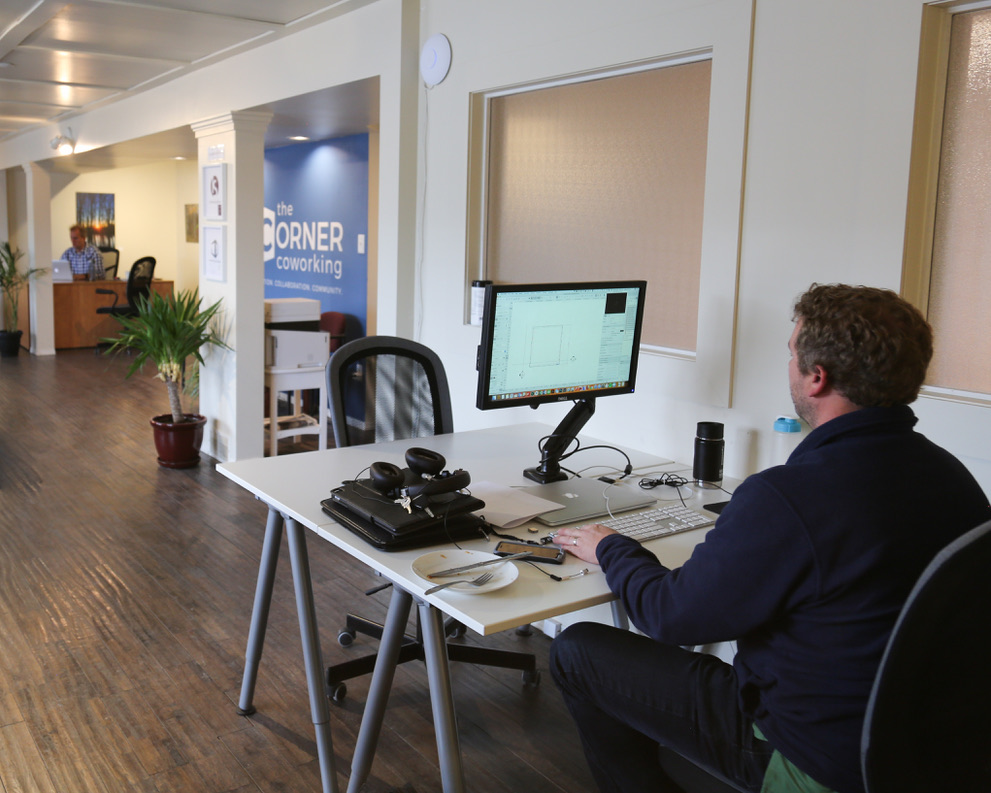
- A real Alberta street address, staffed during business hours, twenty-five minutes northwest of Calgary
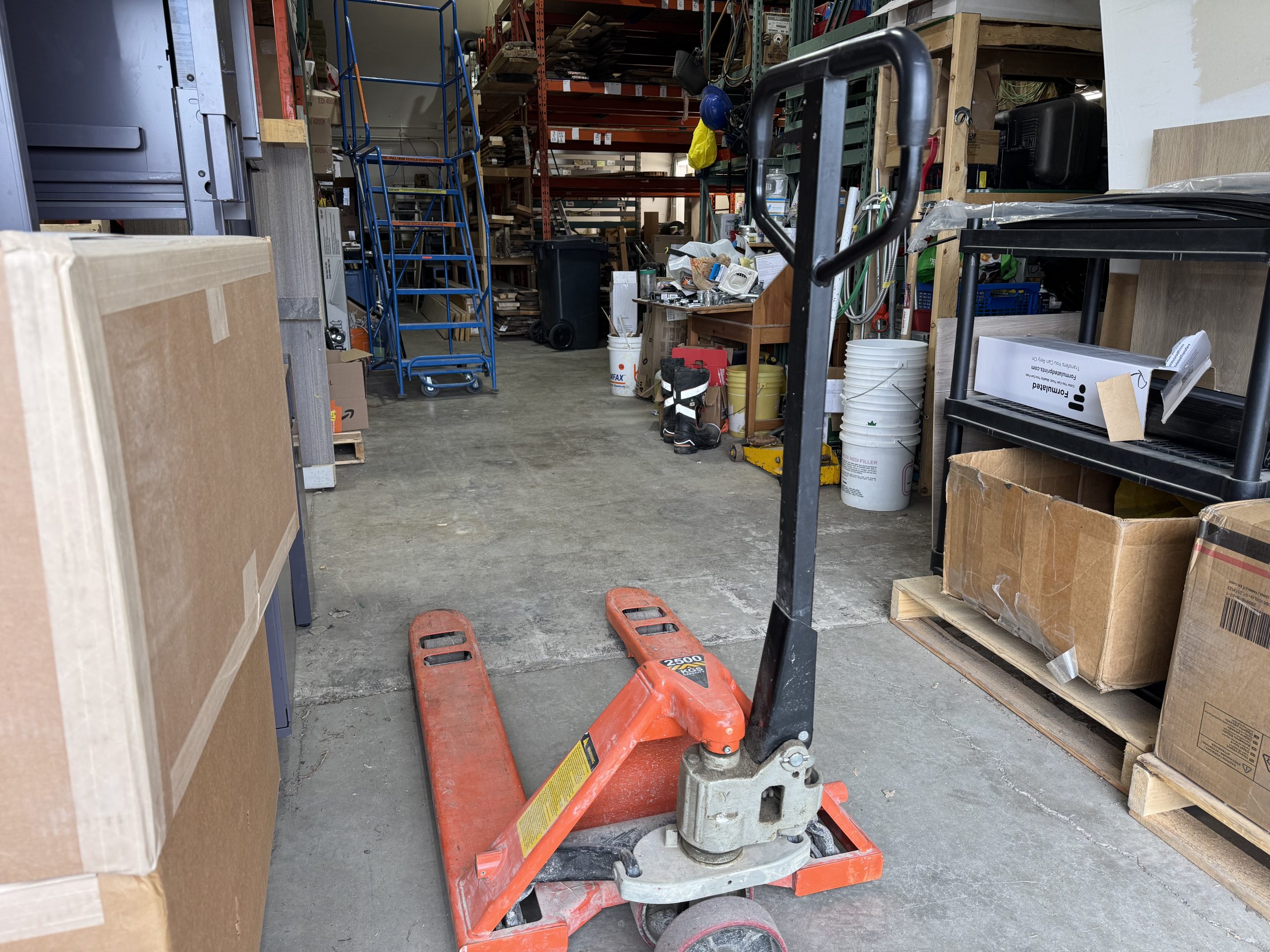
- Postcards through pallets — letters, parcels, oversized boxes, freight on a skid, because there’s a warehouse behind the mail counter
- Personal mail genuinely welcome, not merely tolerated
- Usable as your registered office, your Google Business Profile address, your supplier and invoice address, and the return address on your labels
- Free parking, out front, and a door you can back a vehicle up to
- Month-to-month
TWENTY-FIVE MINUTES, AND YOU CAN PARK OUT FRONT
Come see the counter that signs for your couriers, the box your mail goes into, and the warehouse that takes the things a tower lobby won’t. Ten minutes and you’ll know.
Or book a walk-through first →
Virtual Mailbox 101
Not sure what a virtual mailbox is, or what one should cost in Canada? Start here.